



Sports Wear
High-performance fabrics

Durability, stretch and cost compared, and when a hybrid build makes more sense.

Workwear has to survive things most clothing never sees: kneeling on concrete, snagging on metal, industrial laundering every week. The first decision that shapes how well it copes is construction. Is the fabric woven or knitted?
Both have a place in a workwear range. The trick is knowing which one belongs where, and when combining them in one garment gives you the best of each.
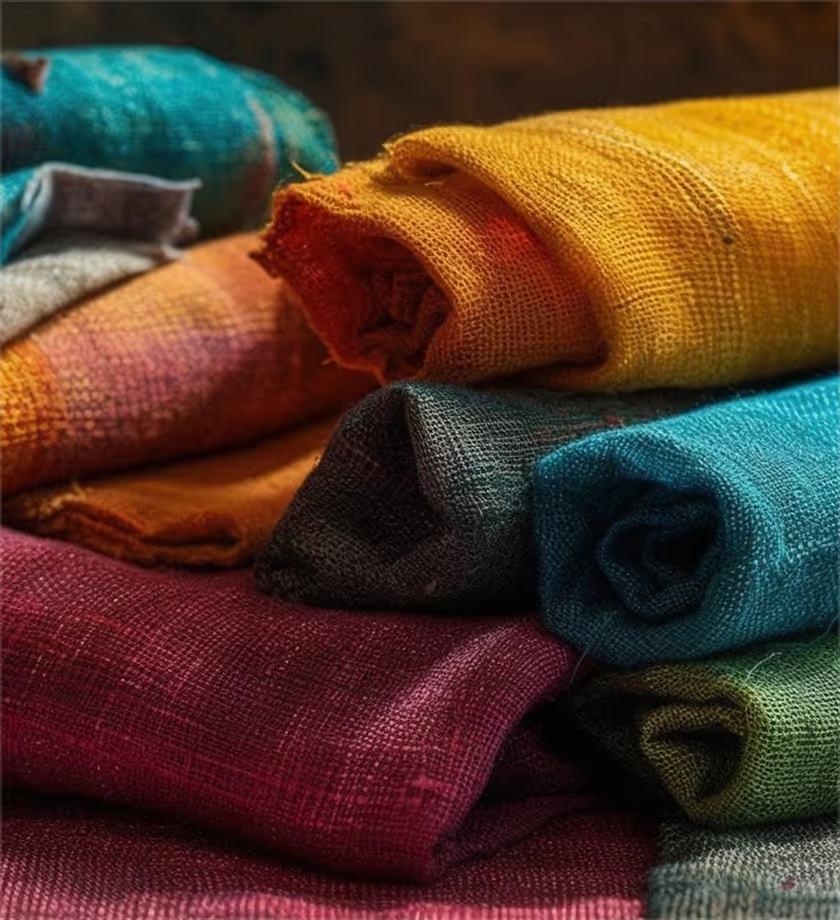
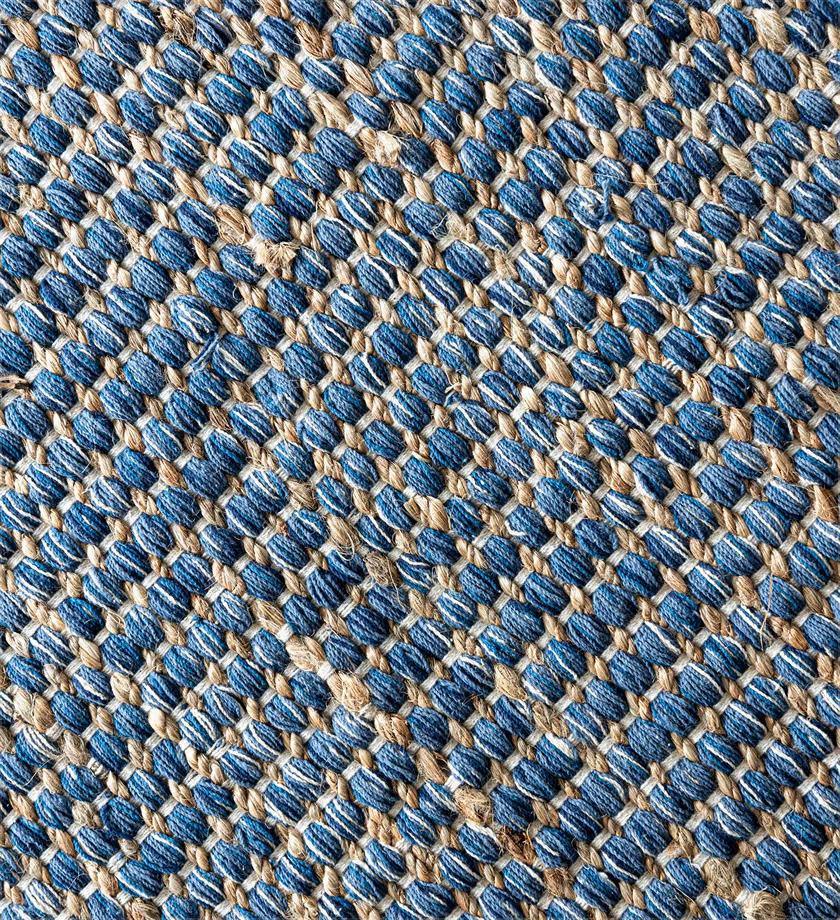
A woven fabric is made on a loom by interlacing two sets of yarn at right angles: the warp running lengthwise and the weft running across. Twill, canvas, ripstop and poplin are all wovens. The tight grid gives woven fabric its stability and strength.
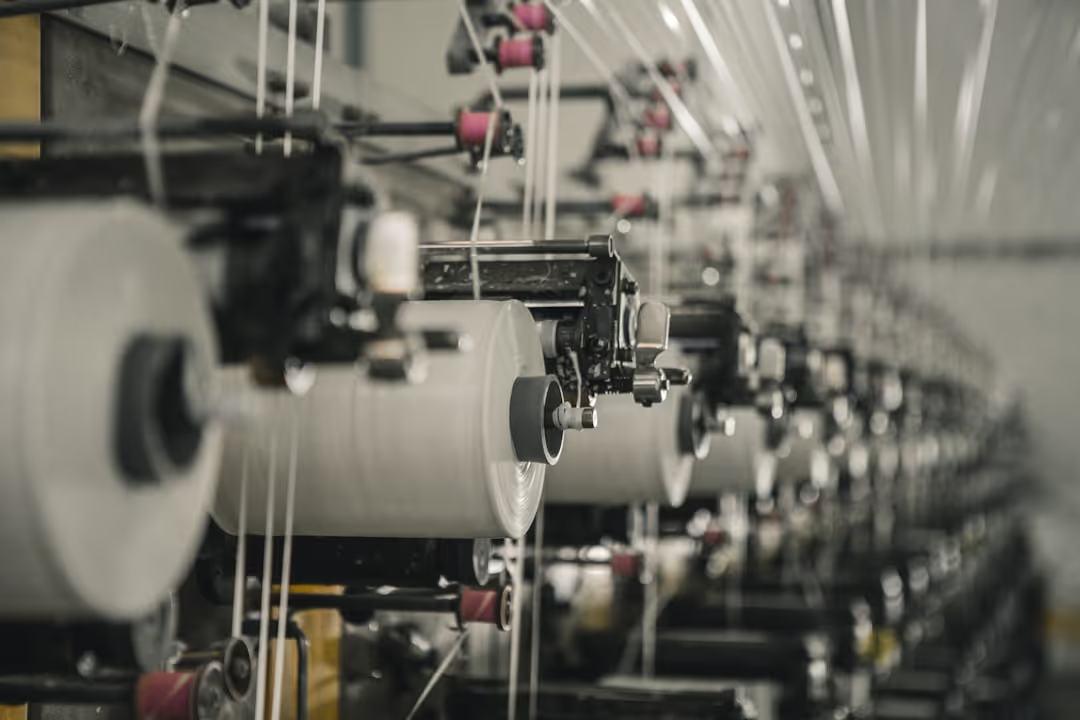
A knitted fabric is made from a single yarn formed into rows of interlocking loops. Jersey, piqué, interlock and fleece are knits. The loops can open and close, which is why knits stretch.
Wovens win on abrasion and tear resistance. A 280 GSM cotton-poly twill or a ripstop with reinforcing yarns will outlast almost any knit on a trouser knee or jacket elbow. Wovens also hold their shape, so pockets stay square and seams stay straight after repeated washing.
Knits are more vulnerable to snagging and pilling, though a tight interlock or a polyester piqué with an anti-pill finish holds up well in polos and base layers.
Knits stretch naturally, often 20% or more across the width without any elastane. That makes them comfortable for work that involves reaching, lifting and bending. Wovens barely stretch unless you add elastane or use a mechanical stretch weave, which adds cost.
Knits also breathe better and feel softer against the skin, which matters for anyone wearing the same garment for a full shift.
Knitted fabric is generally quicker to produce and is often cheaper per kilo for basic constructions. Heavy wovens with technical finishes like water repellency or flame retardancy cost more, but they also last longer. The right comparison is cost per wear, not cost per metre.
“A cheap trouser that splits at the knee in three months isn't cheap. Specify for the job, then work on the price.”
Many of the best workwear garments we make use both. A woven body for strength, with knitted panels where the wearer needs movement:
Hybrid builds need careful pattern work, because the two fabrics shrink and stretch differently. We wash-test hybrid samples before approval to make sure the panels stay flat.
For light-duty roles, yes. Heavy double-knits and technical knits are used in some flexible work trousers. For heavy abrasion, a woven is still the safer choice.
Slightly, and it can affect how the fabric handles high-temperature industrial washing. We test stretch wovens against your laundering conditions before bulk.
Polyester-cotton wovens are the most proven. If you use knits, choose a high-polyester blend with low shrinkage.
Yes. We can review your current patterns and suggest where reinforcement or stretch panels would improve wear life.
Send us your tech pack or a reference garment. We'll recommend a fabric and send swatches.
